Inspired by @stevet1's cat , I thought I'd show our dog, having a snooze this afternoon.
OOC JPGs... Resized in Digikam

May 20, 2023
145
-

-

I am finally processing many Canon 5DII photos I took in Japan in June 2017! My resolution before upcoming travel is to finish off as much of my neglected photo processing as I can. Today's batch is our day's trip from Kyoto to Nara and two notable shrines there. The previous batch of photos was from the Daibutsu Buddha in Kamakura. More photos can be seen in chronological order in my "Japan 2017" album on flickr.
This is the Todai-ji shrine in Nara, higher ISO, hand-held.
 IMG_1203 Canon 5DII Todai-ji Nara Japan 2017 by Sandy Fleischmann, on Flickr
PS added: I am fascinated by the stone lanterns at shrines and elsewhere in Japan, thus my many photos of .... stone lanterns.
-

Went to the St Ives show in Sydney last weekend with the grandkids.
Canon RP with the Tamron 35-150.
Getting used to the RP body again while waiting forever for the R8 to turn up.There was a reptile presentation of some of Australia's more venemous snakes. It was very educational as the presenter explained how to avoid being bitten, where you're likely to find them and a little about their behaviour.
The King Brown is related to the Red Bellied Black snake but not found in Sydney and highly venemous.
The Common Death Adder is an ambush predator. Small in length and hides in leaf litter. Doesn't move a lot and you can walk past these in a trail while there a few feet away hidden in leaves and you won't know they're there.
The Red Bellied Black snake is not known to be aggressive and you can be near it and it won't strike but it's deadly if it does.
The Tiger snake quite painful if you get bitten, takes a long time to recover (assuming you get treated in time)
The Eastern Brown. Very venemous and aggressive. If you're within a few feet and move it will strike as a defence mechanism.
If you're 3 metres (10 feet away) or more, you can run away, it won't follow you.The first pic is a baby Salt Water Crocodile which have humans on their menu. The second pic is the Fresh Water Crocodile which has a long thin snout and won't attack humans unless you annoy them but they are also deadly.
A couple of pythons. The white I think was a reticulated python and the darker one an Olive python. Neither is poisonous but they were trying to eat the crocodiles.
Cheers
Paul -

David,
The fuchsias photo looks very pretty with the bright red-purple flowers and green leaves.
-
Dunlin,
I liked seeing your trees of different colors. You must live in a beautiful area.
-
Dunlin,
Ah...the dog looks sweet. 😀
-
Sandy,
After I read a little about it, it seems that the Todai-ji shrine is a Buddhist Temple. What is it made of? How large is it?
-
Paul (fotoword),
Your photos of reptiles are interesting. Thanks for sharing. I only see harmless snakes where I live in Oregon. Here's one of them that a boy was trying to catch. It's on the far right (and slightly lower side) in the water. What was strange was the snake first got away from the net that the boy used to catch it and then came back at the boy in an attack. But the boy was not scared and the snake stopped. Eventually the snake retreated further away in the water and the boy did not catch it. I asked them why they were doing that and they said they were just doing it for fun. They would catch them and release.
Model - Canon EOS Rebel T7i
ExposureTime - 1/400 seconds
FNumber - 9
ISOSpeedRatings - 400
ExposureBiasValue - 0
FocalLength - 55 mm
Lens Model - EF-S55-250mm f/4-5.6 IS STM -

Beautiful .
-

Thanks everyone for your nice comments.
Dunlin,
Pets are funny. They'll use anything for a pillow.
😀
Steve Thomas
-
Thanks Digirame.
-
They certainly will. 😀
-
Hello Digirame
Thank you for the reply.
Your photo is also interesting. City dwellers could never do something like that here because of the inherent dangers.In Australia, the overriding rule is to leave them alone, you can look and enjoy their nature and understand they are part of the ecosystem, but leave them alone for your own safety.
Cheers
Paul -

Here are two shots of the same flowers (but at different magnifications) with my trusty Leitz Focotar-2 50 mm enlarging lens:
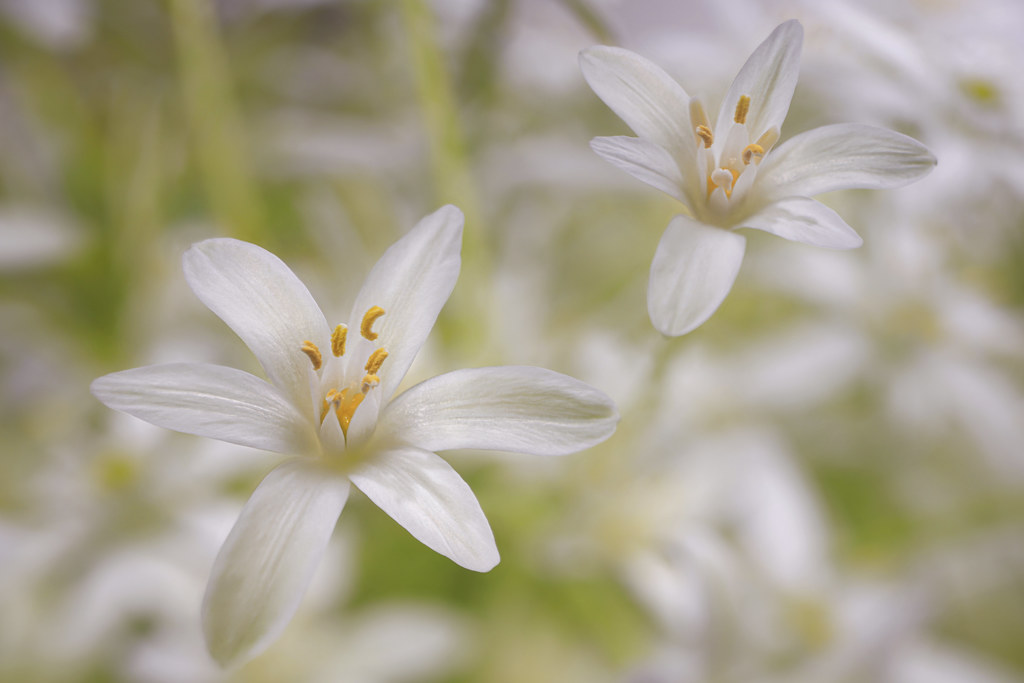 Twofold unfold by simple.joy[, on Flickr
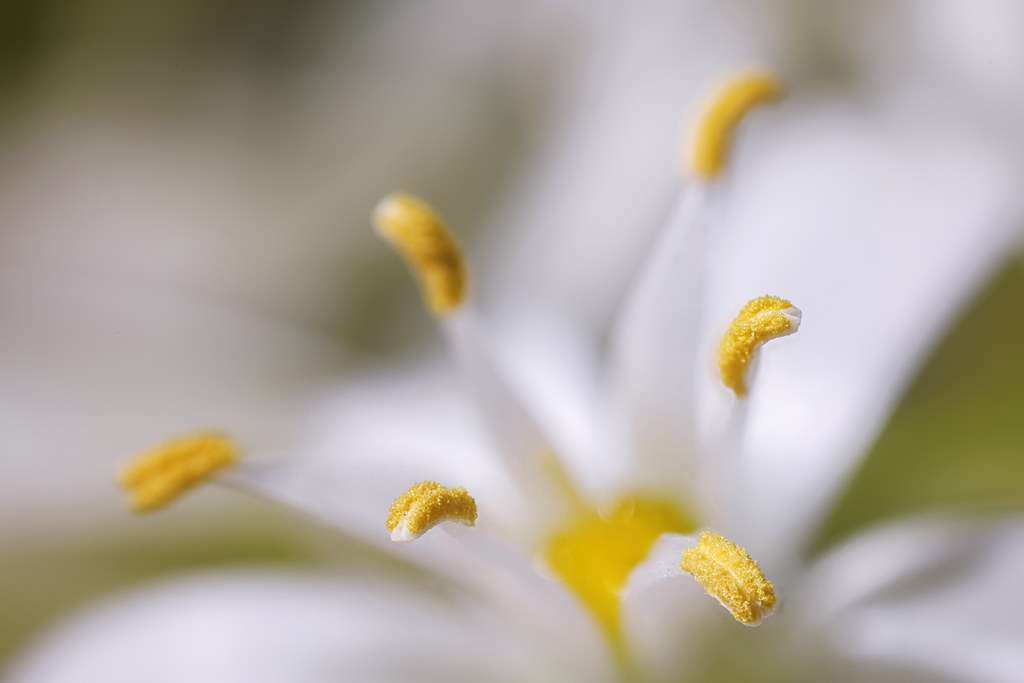 Self coronation by simple.joy, on Flickr
 -
Digirame, like most shrine or temple constructions, it is wooden. If a temple or shrine features a lot of red, it is probably Shinto. Otherwise, Buddhist.
Sometimes the constructions are fairly old, by other countries' standards, but often not much older than 1700s or 1800s. Wood is rather perishable in the climate. The Japanese too have historically rebuilt a lot, also from fire, flood, or general aging of wooden buildings. Note the shrine buildings in Nikko (Toshogu) with the elaborate carvings. They date from the 1600s I recall, without looking it up. Primarily a memorial for the first Tokugawa Shogun, Ieyasu, built by his grandson. Ieyasu is not actually buried there, but 'enshrined' -
Neat! I like 'em.
-
Simplejoy,
Those are very good photos. In the first one, the two prominent flowers are in focus are nearly so. Then we see a very pleasant background. The second was captured in an excellent way also, where there are basically only three colors. It all blends nicely together. I imagine that you take your time taking these to produce the affect that you are trying to get.
-

Continuing the flower theme, here are a couple of pictures of the Wisteria in our back garden. We planted it a few years ago, and this is the first time it has put on a really good display.


